My Friend, Co-Founder, and Now QvaPay Independent Director JP Thieriot: Yale, Polo, Uphold, and QvaPay
A friendship from Yale, a trip to Havana, a fintech built together, and now an independent director on QvaPay’s Board.
Tim Parsa · Co-Founder & CCO, QvaPay · 8 September 2026 · 4 min read Subscribe

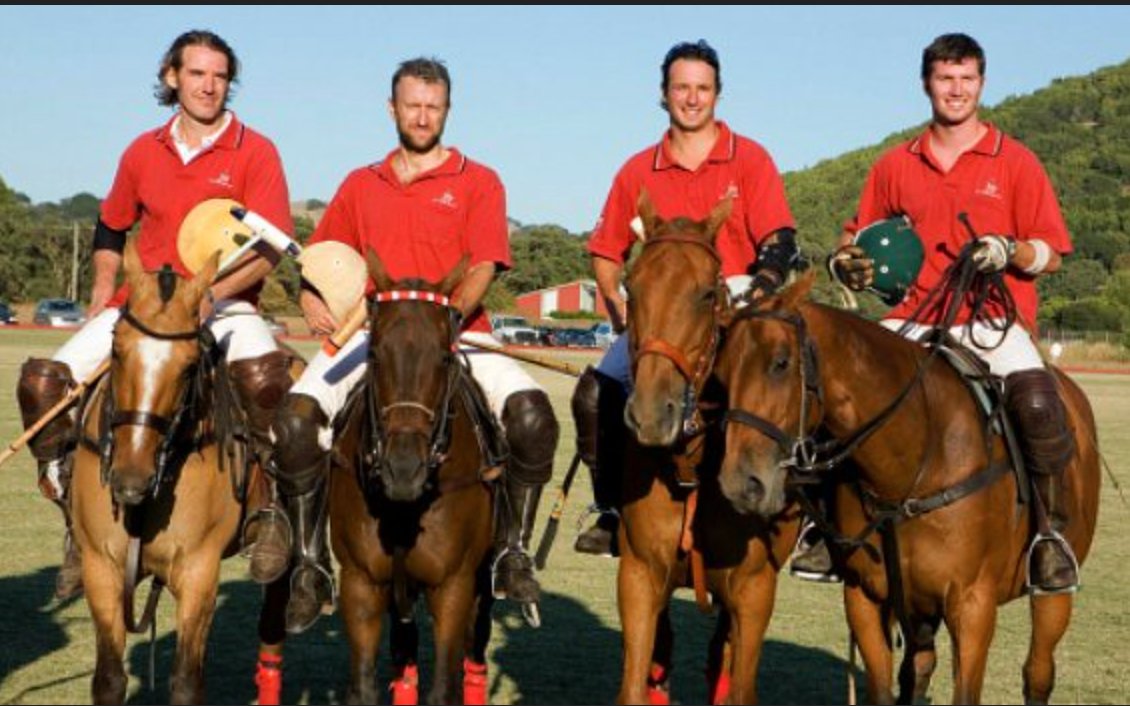
Some partnerships are built in a pitch meeting. Mine with JP Thieriot was built on a polo field at Yale, and has outlasted every company either of us has run.
- Yale. JP and I became friends at Yale. He introduced me to polo, to Argentina and Uruguay, and to Halsey Minor, founder of CNET and Grand Central (now Google Voice) and co-founder of Salesforce. Polo teaches you to trust a partner at a gallop. We’ve been doing it ever since.
- Havana, 1997. In 1997 we flew to Havana from a friend’s wedding in Mexico City, me on assignment for New York magazine. My story, “Club Red”, ran as the cover of the 17 November issue. I came back convinced Cuba didn’t lack talent. It lacked access.
- Uphold, 2013. JP and I co-founded Bitreserve, later Uphold, with tech legend Halsey Minor, founder of CNET: bank money to bitcoin and back. JP went on to lead Uphold for years as chairman and CEO.
- QvaPay’s Board, 2026. In September JP joined QvaPay’s Board as its independent director. The compliance officer reports to a Board that includes someone who has run a regulated fintech at scale.
JP and I have always shared one conviction: technology, not politics, opens closed economies. In 1997 we saw a country of brilliant people with nowhere to put their talent. Twenty-nine years later we’re on the same side of the table again, building the access we went looking for.
Old friends, new rails, and the same optimism about what technology can do for Cuba.
The dollar ledger JP built at Uphold is the idea behind QUSD, and his Board seat oversees every flow it carries.
| Flow | How we grow it | U.S. tech meets Cuban talent |
|---|---|---|
| Crypto funding and withdrawals Own funds, screened addresses · withdrawals by persons in Cuba: pending with OFAC | USDC from and to screened wallets, settled by Crypto Teller. | Cubans hold dollars on a phone, the way the rest of the internet does. |
| Remittances Permitted · 31 CFR §515.570 (U.S. senders) | Marketing by use case to the diaspora in Miami and beyond; every sender and recipient screened. | Diaspora dollars become working capital for families and the private businesses they start. |
| MIPYME business accounts QvaPay's position · pending with OFAC (Case CU-2025-1426925-1) | MIPYME accounts marketed by use case, supported from our Miami HQ; financing for Cuban buyers once OFAC clarifies it. | Cuban entrepreneurs buy U.S. equipment and software and run their companies in dollars. |
The potential. Remittances into Cuba run an estimated $1.1–2B a year (2024; estimates vary). At the Dominican Republic’s rate per person, Cuba would receive about $9.8B, five to nine times today. That is the market QvaPay is built to serve.
| Market | Cuba today | Cuba at the Dominican Republic’s rate per person |
|---|---|---|
| Remittances received | $1.1–2B 2024 est., estimates vary | $9.8B DR total $11.9B (2025) |
A scenario, not a forecast. The Dominican Republic received $11.9B in remittances in 2025 across 11.4 million people, about $1,040 a person; at that rate Cuba’s 9.43 million people would receive about $9.8B a year, five to nine times today. Method and sources.
The United States is the only power that can realistically finance and sponsor Cuba’s recovery, which makes engagement, not isolation, Cuba’s only option. On cubanew.com ↗
Sources
If this was useful, pass it to someone building in Cuba.